
Inpatient services


Back pain can be hard to live with. Backs for the Future helps you move more and feel stronger. It can help you back to doing the things you enjoy!
An exercise and advice programme to help people with ongoing back pain. It aims to help you:
The group meets weekly for four sessions, each lasting about 90 minutes.
People with ongoing low back pain who have seen a Physiotherapist in Integrated Musculoskeletal Services at County Durham and Darlington NHS Foundation Trust.
Each session includes:
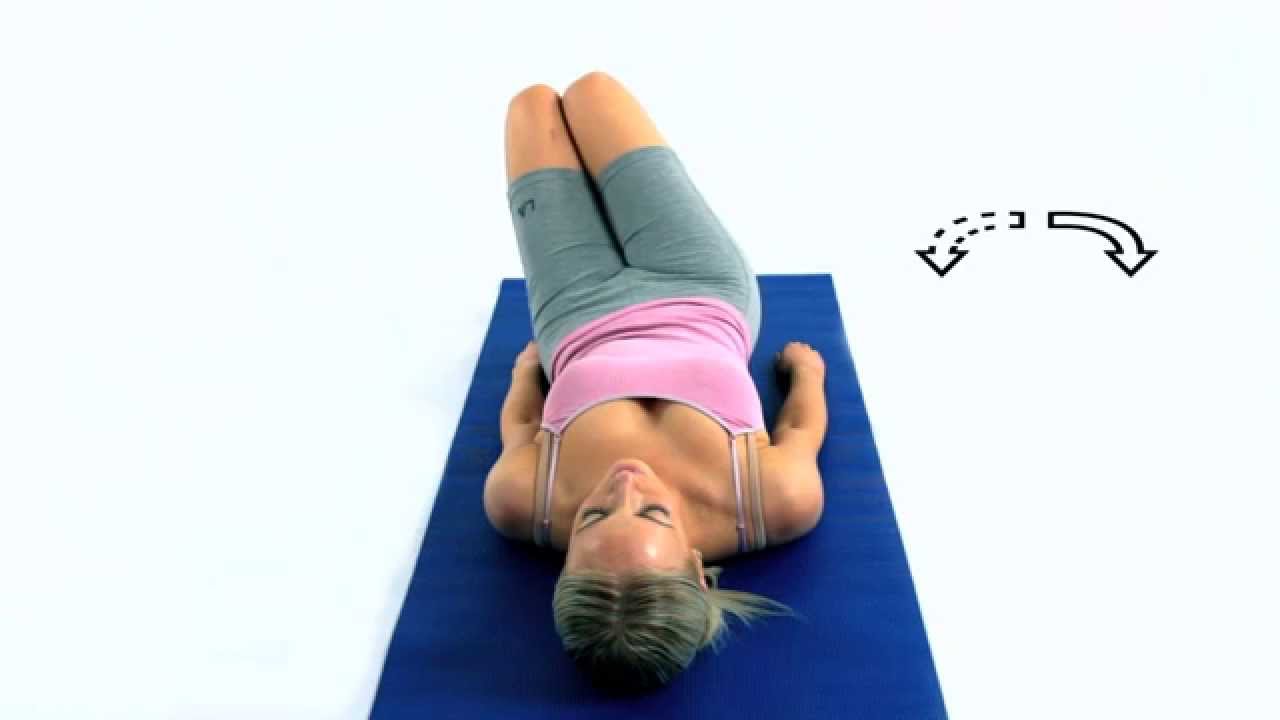
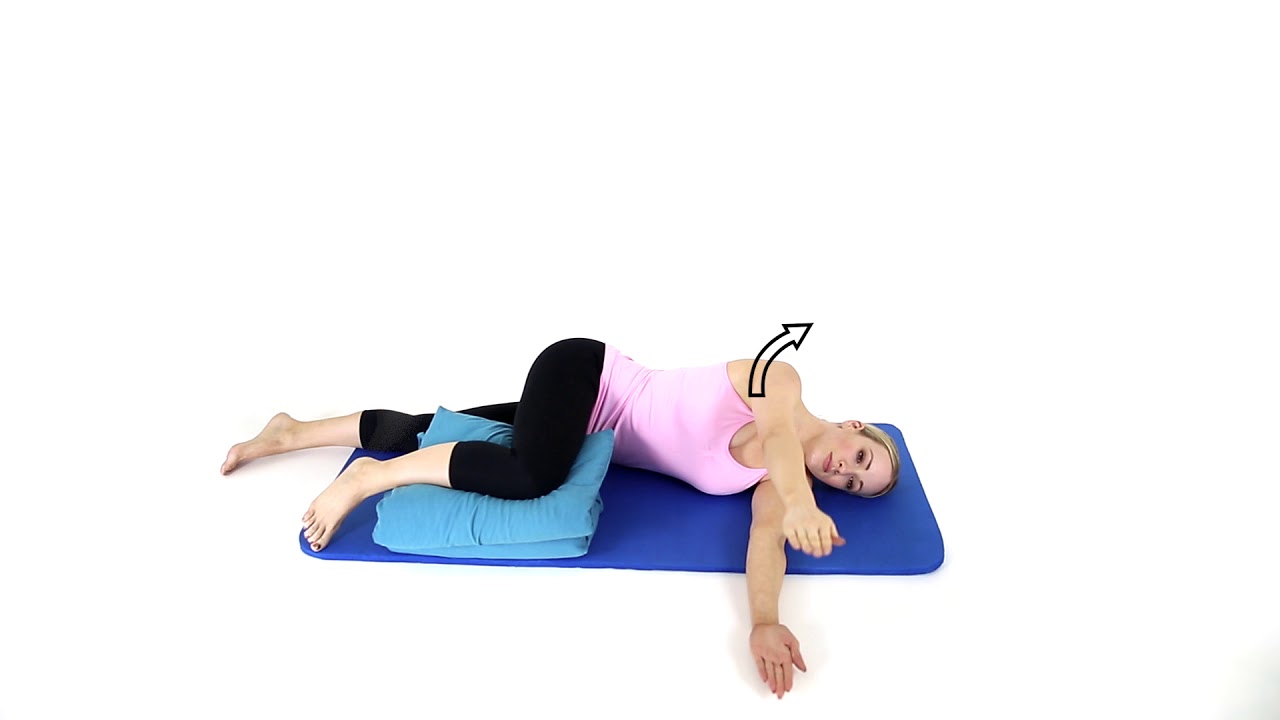
These are the kind of exercises you can choose. You will start gently and build up as you are able.
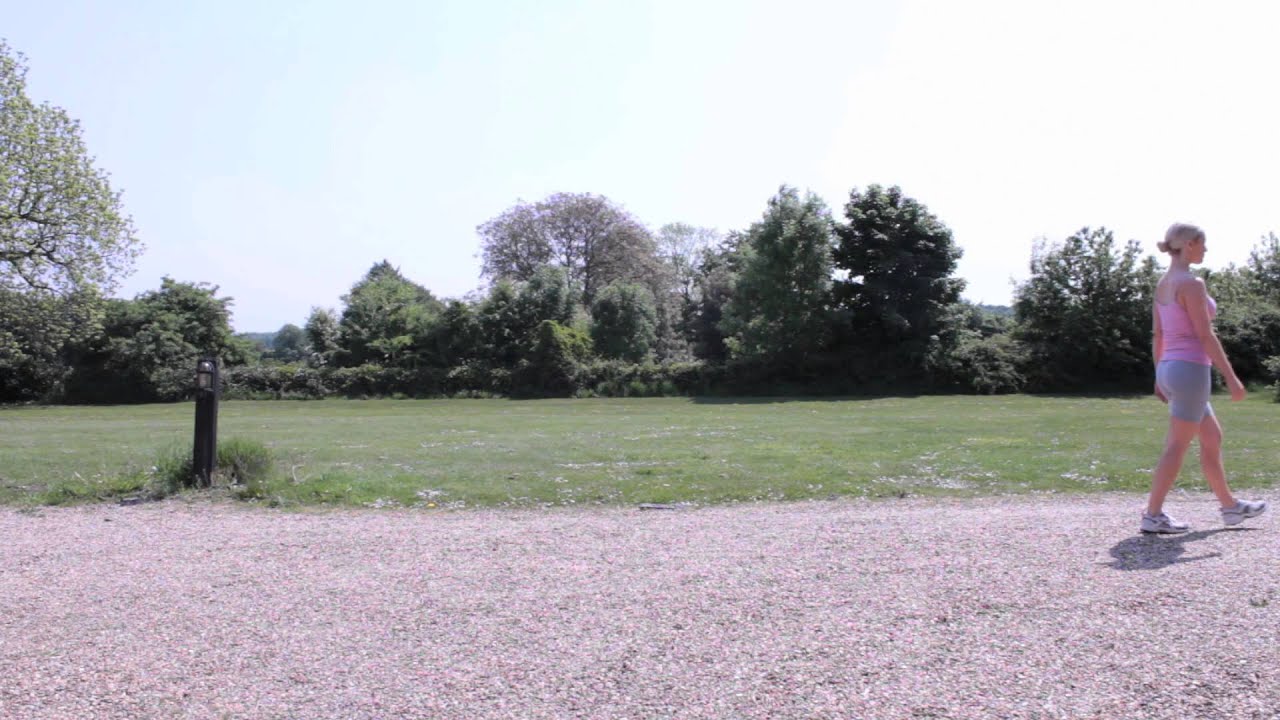

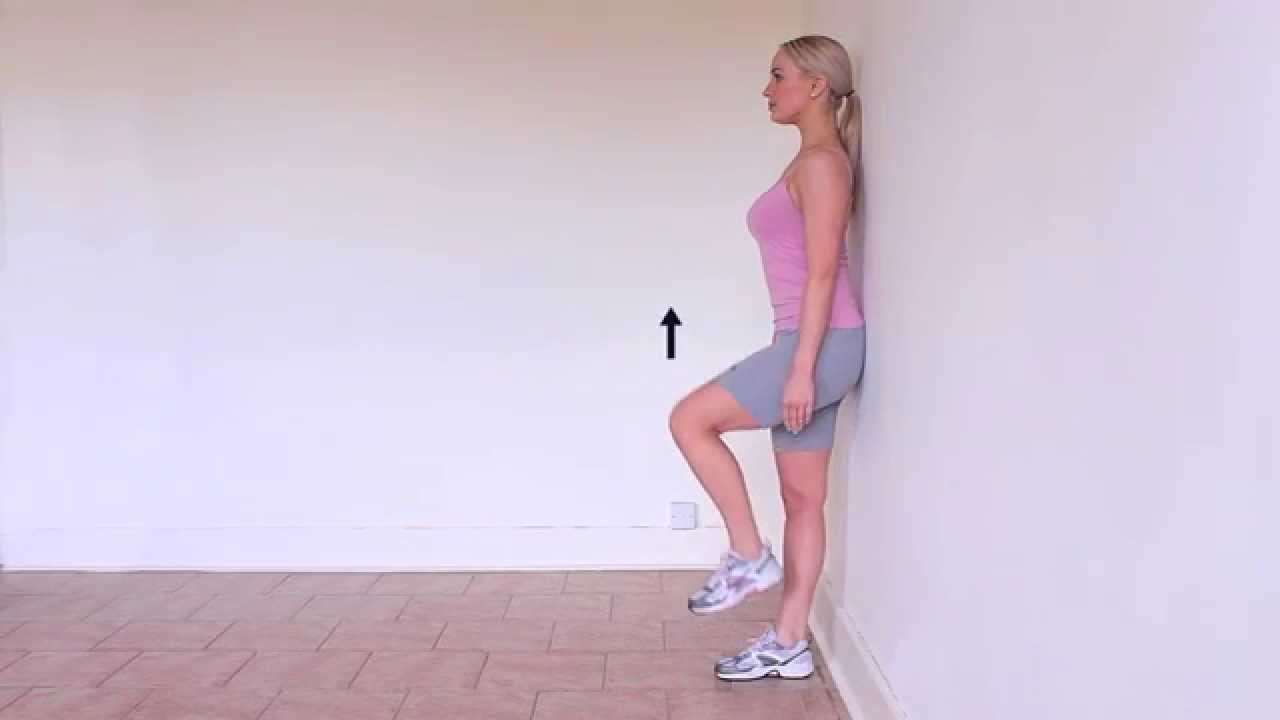
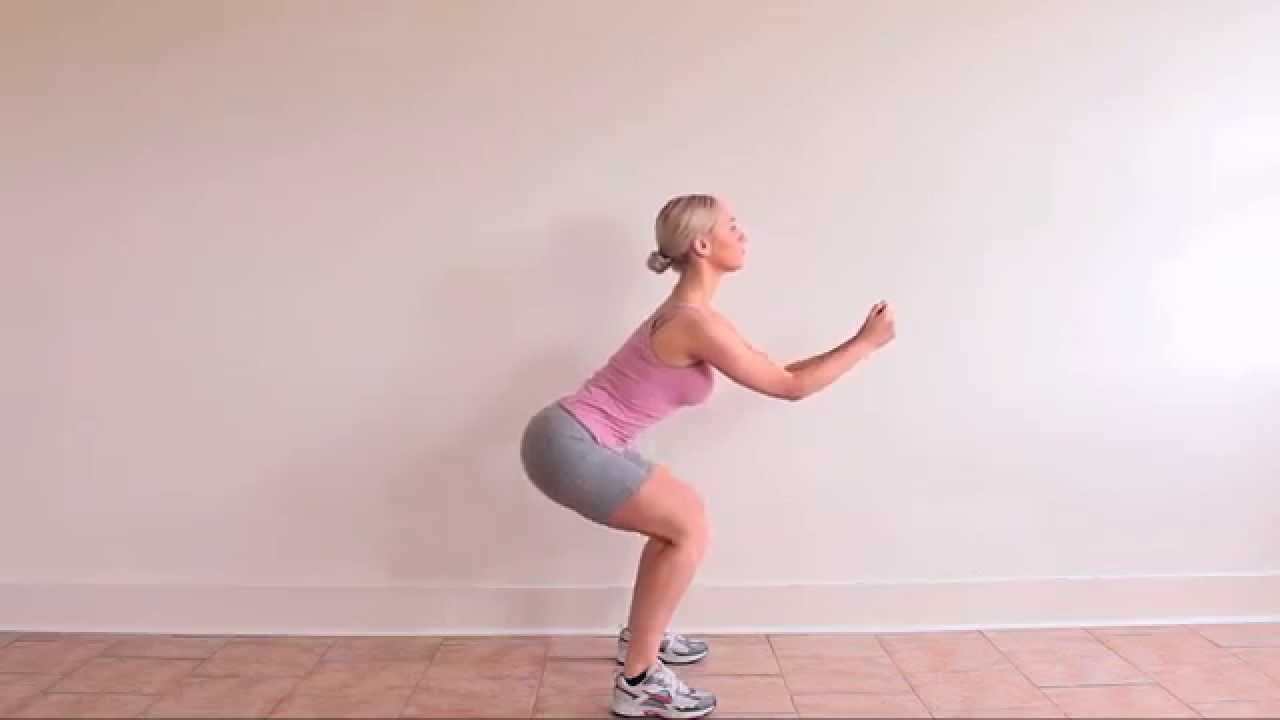
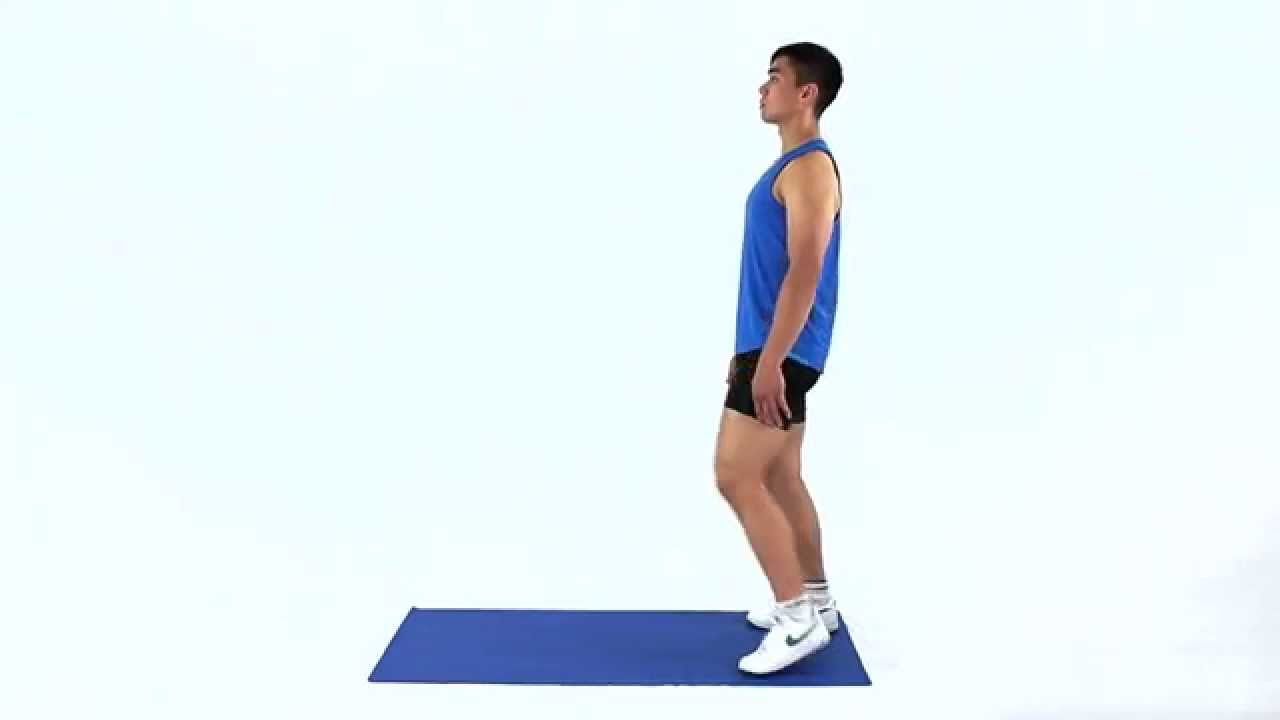
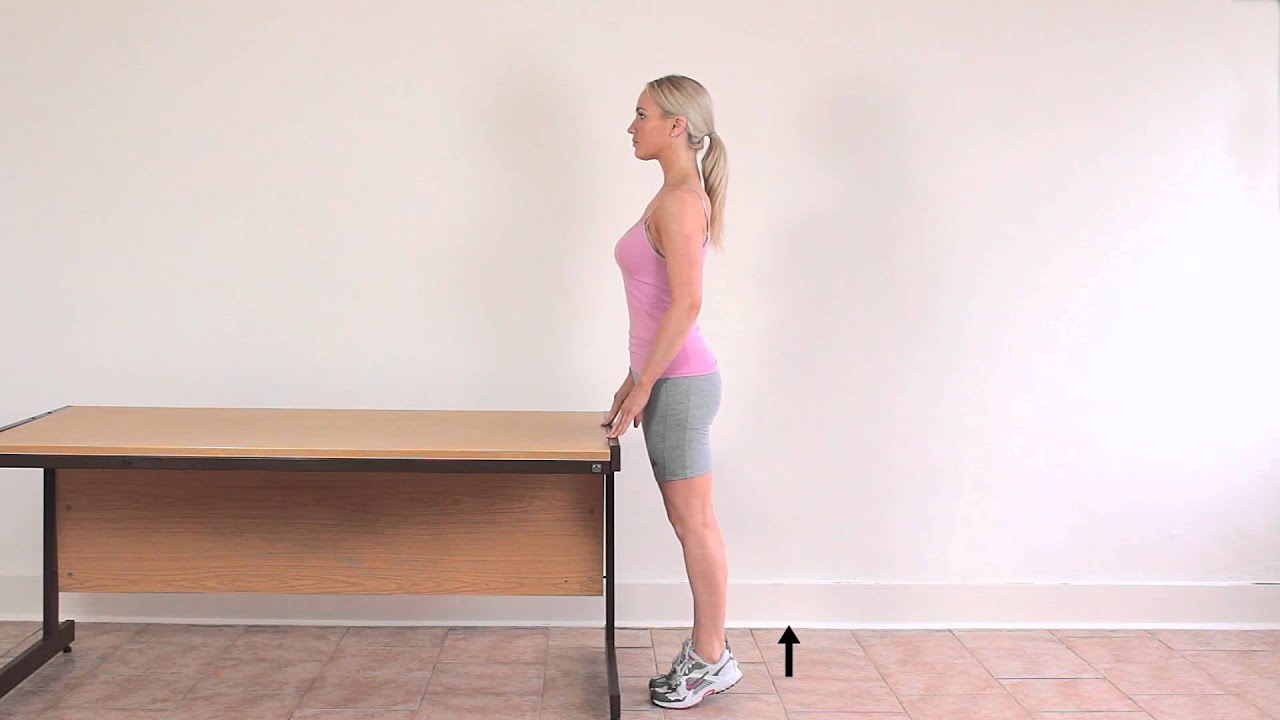
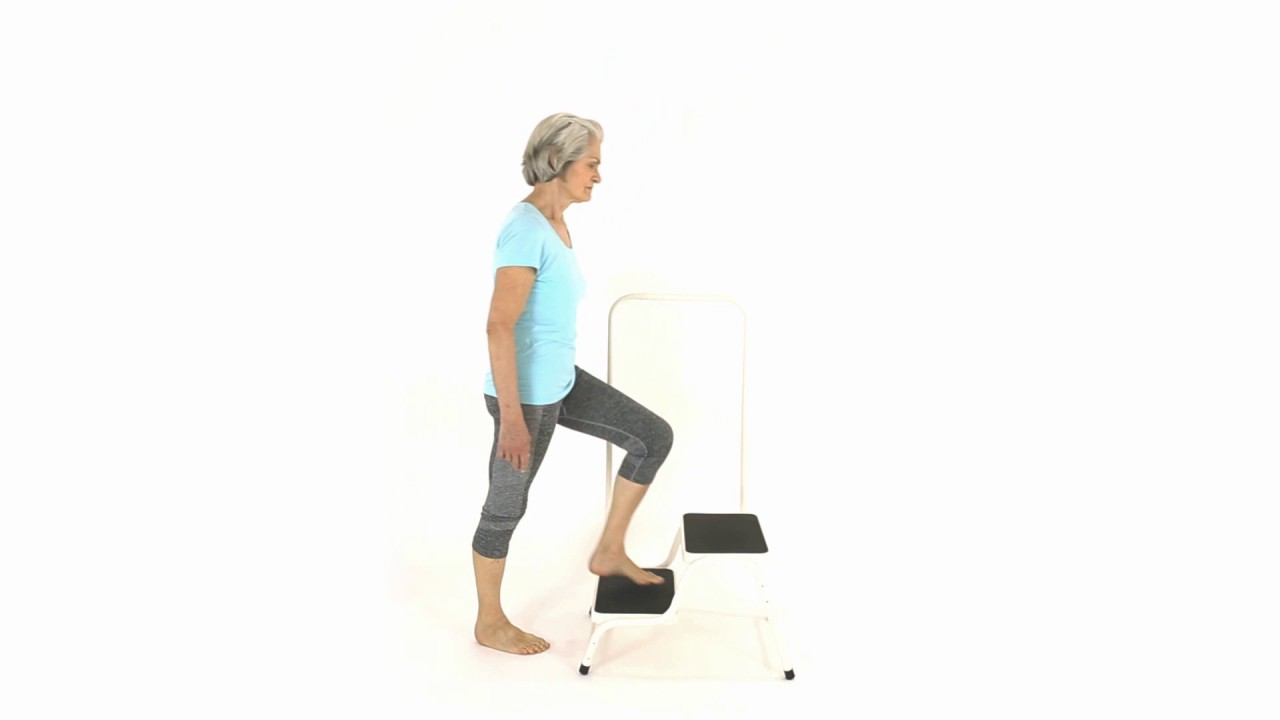

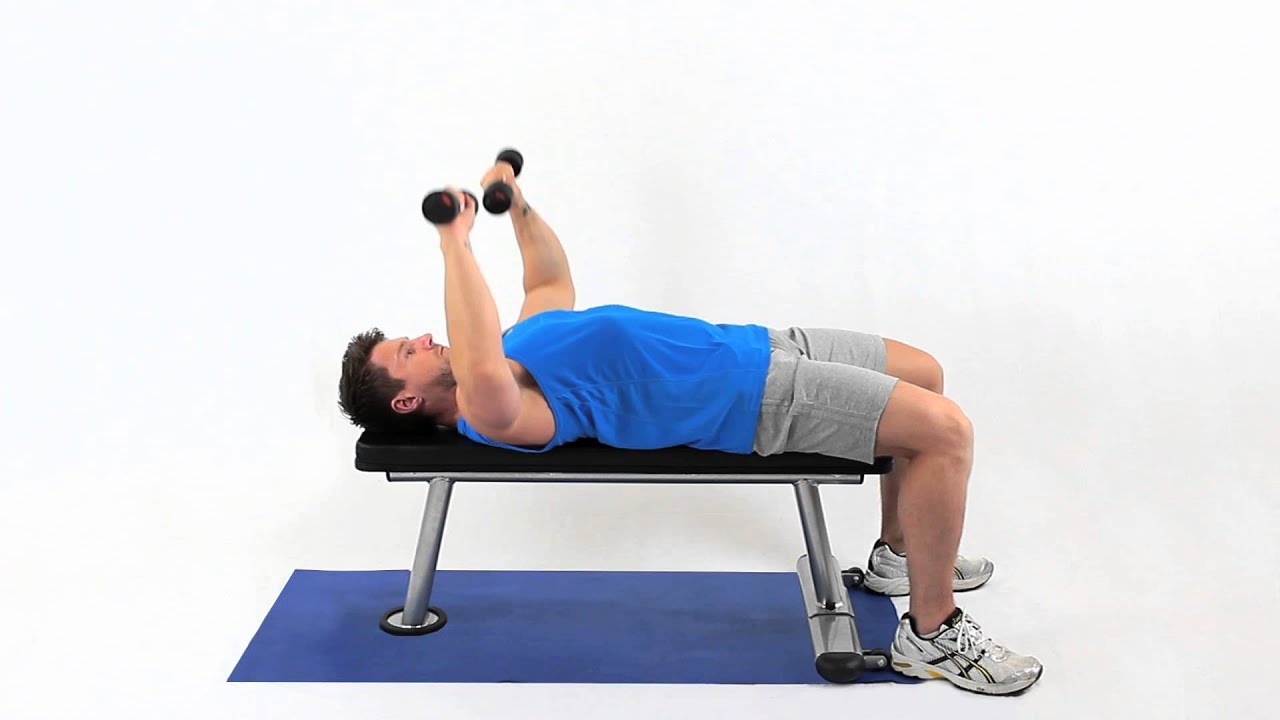
These exercises are to help you bend more easily.
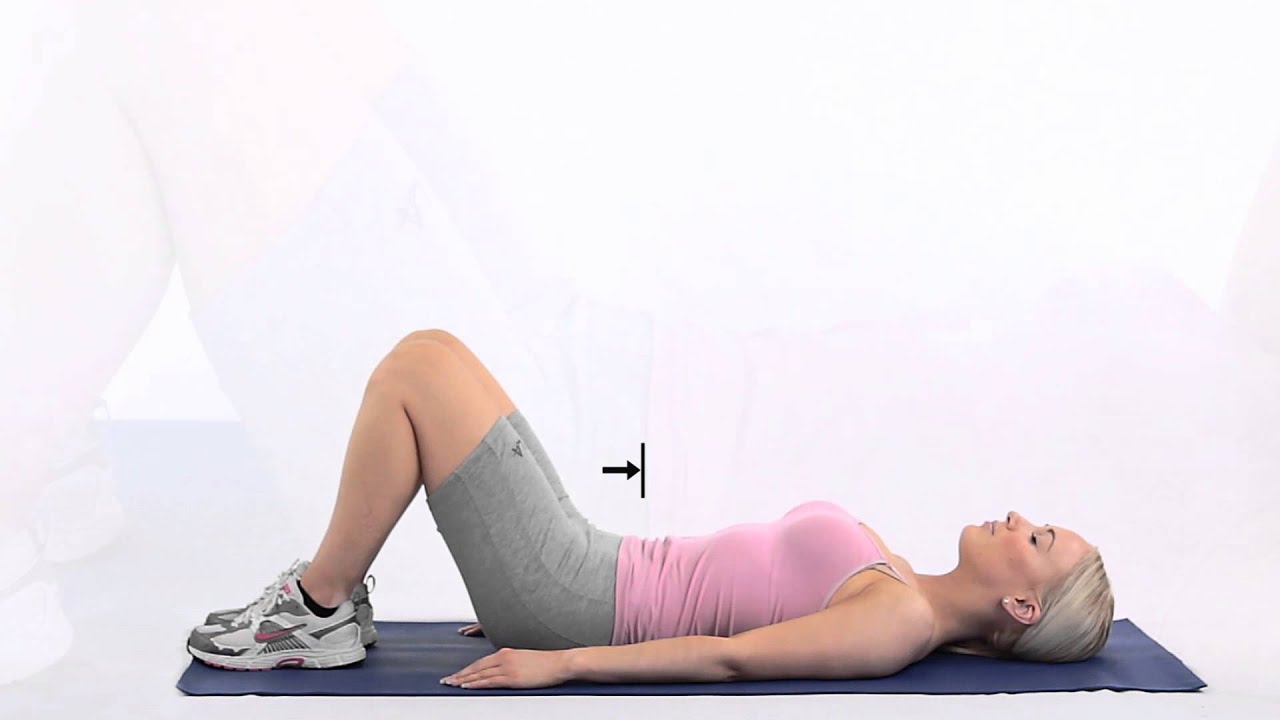
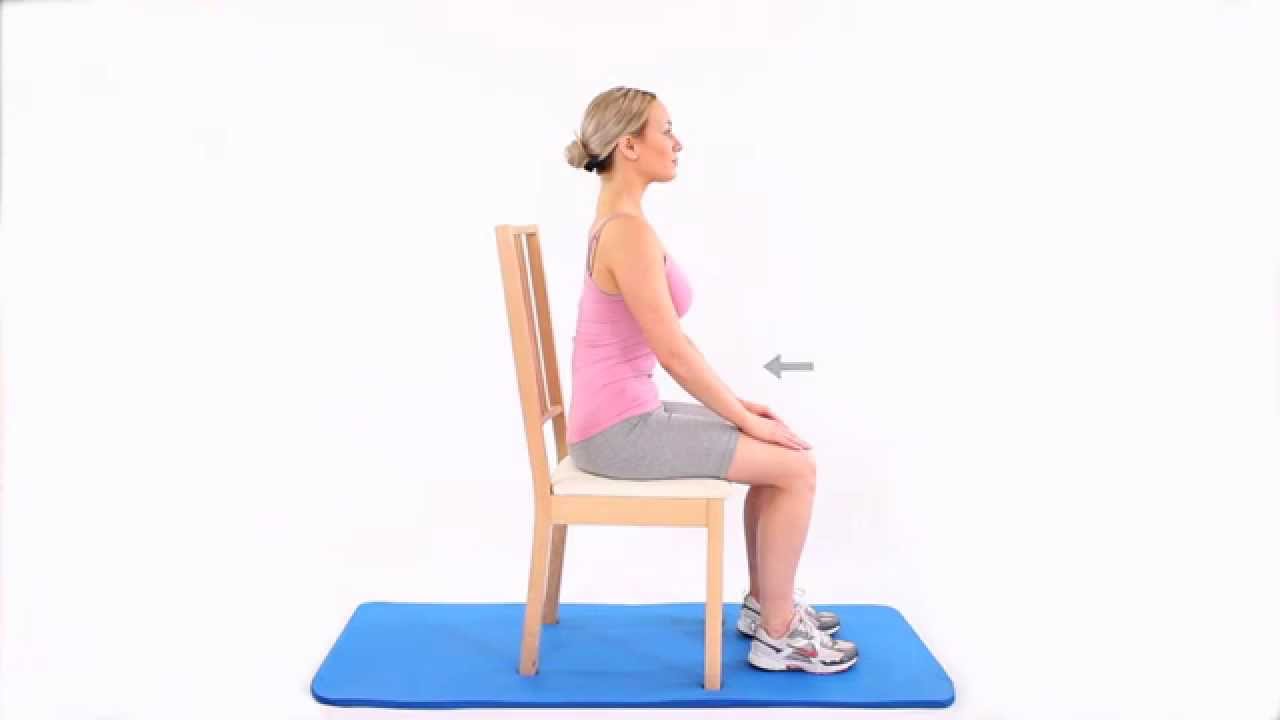
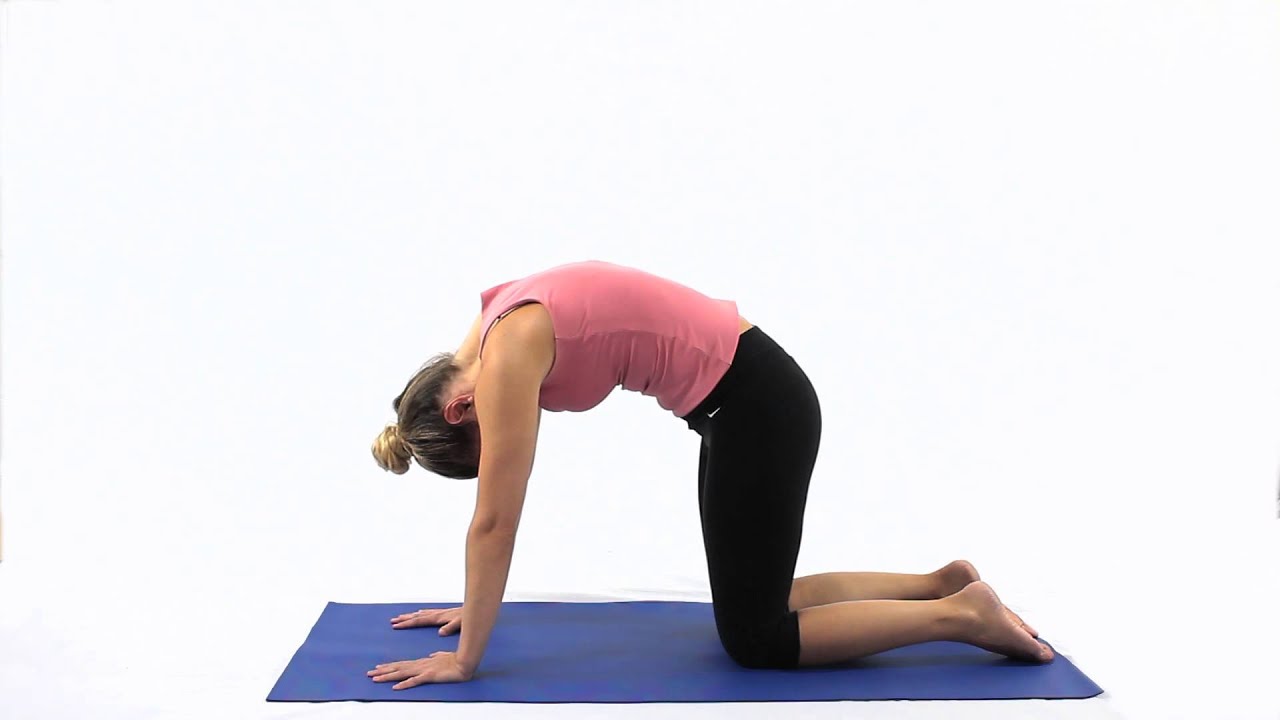

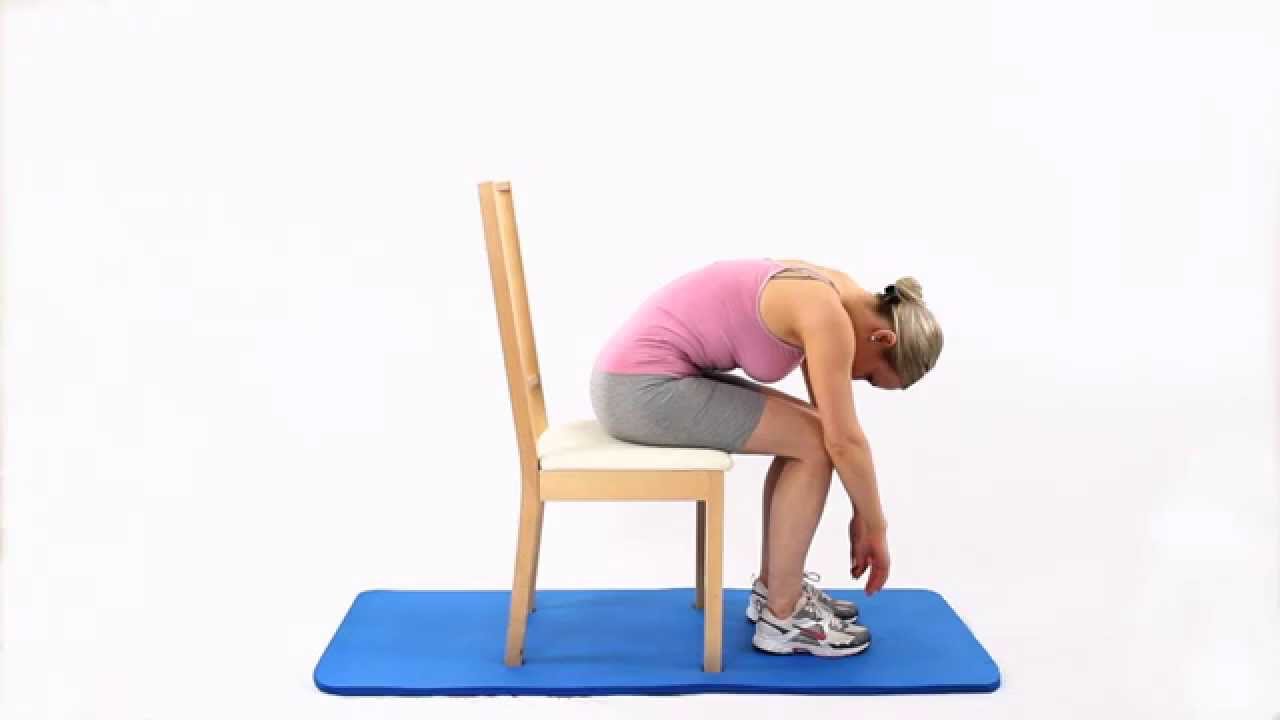

These exercises will help you begin to twist and turn more easily.
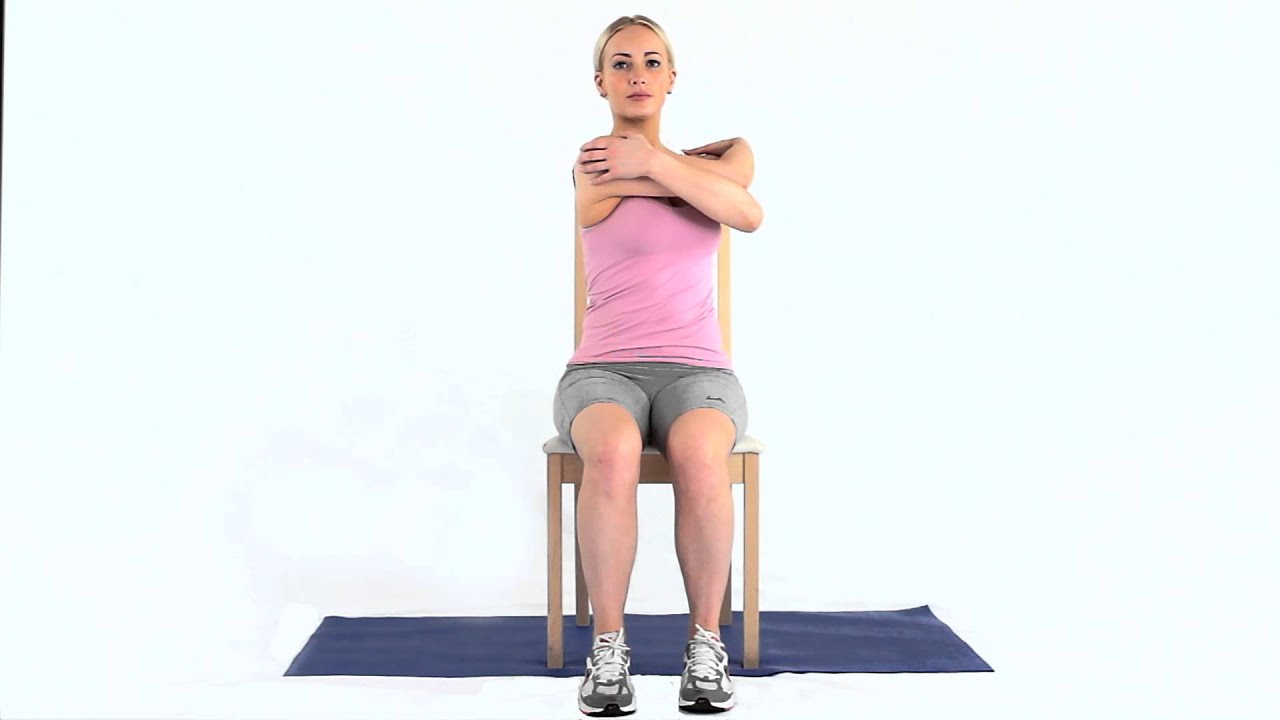

Tips for once you have finished the course:
Have a plan for on-going exercise. Try to do something you enjoy. Build up the amount you do. Try to do it often
Pace your every day tasks
Try to move in a relaxed way; remember to breathe!
Manage stress
Try to sleep well
Remember ‘hurt doesn’t mean harm’
Remember, flare ups are normal:
Keep moving even if slowly at first
Try to keep living and working normally
Avoid bed rest during the day
Exercise regularly
Don’t sit down for too long
Stay active
Don’t be afraid to take simple painkiller


