Dyspraxia

Aphasia is caused by damage to the language centre in the brain. For right handed people, language is usually stored in the left hemisphere. However, left handed people may experience language difficulties after a right hemisphere stroke. Aphasia can affect understanding, talking, reading and writing - this is because the same part of the brain is used for verbal and written communication. Aphasia on its own does not affect intelligence. By law (Mental Capacity Act 2005) all information must be presented in an accessible format and all means possible taken to support successful expression.
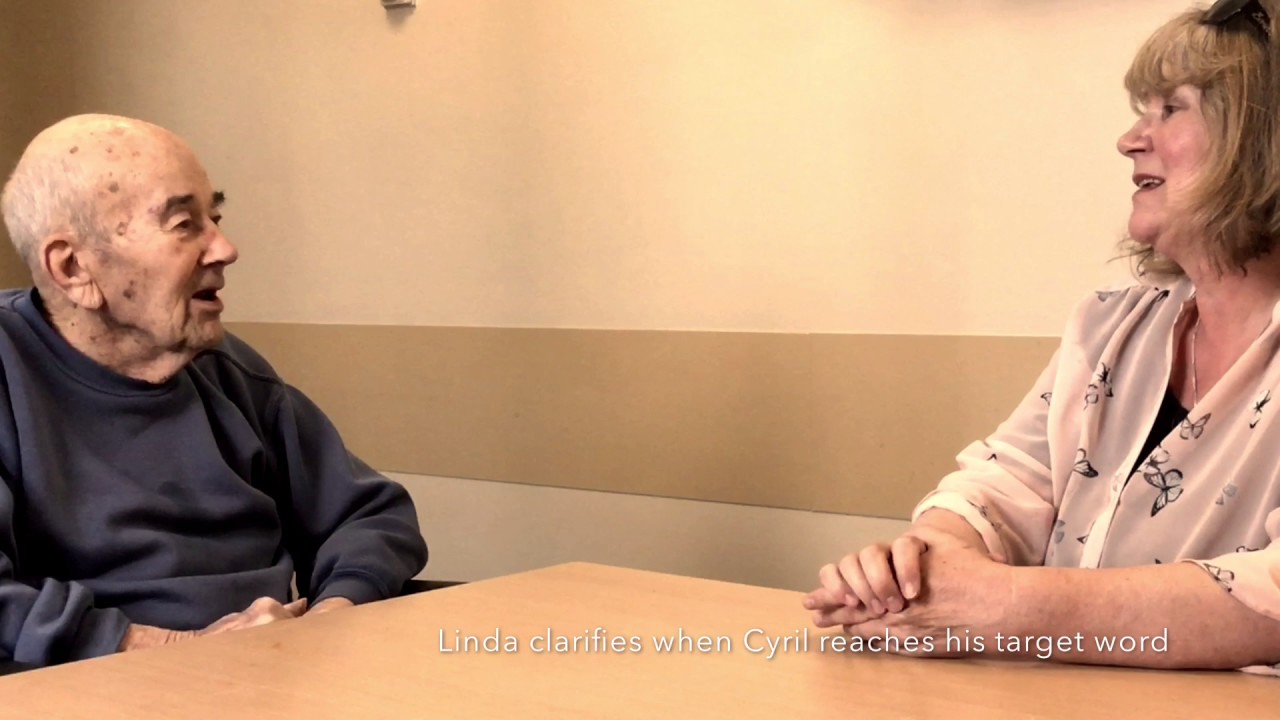
Aphasia affects you, your conversational partners and how you participate in your local community and everyday life. Finding your way forward with Aphasia can feel overwhelming. Your Speech and Language Therapist will explore how Aphasia impacts your life and how to tackle the challenges it brings. Strategies to help communication with aphasia, include:
Communicating with Aphasia can be really frustrating. Sometimes the best thing to do is stop and try again later. Feeling of frustration, anger or upset only makes communicating harder.