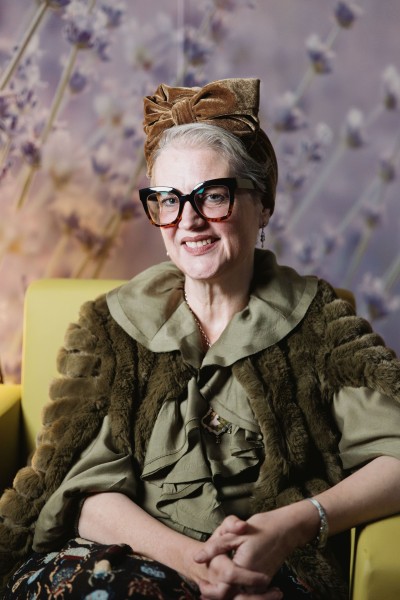
A County Durham woman who has recently undergone breast cancer surgery has praised the care, kindness and support she received from her hospital team, as the local NHS Trust shares progress in improving its breast services.
Louise Ahrens, 52, who moved to County Durham from Bournemouth last year, says she felt safe, reassured and well looked after throughout her treatment at University Hospital of North Durham and hopes sharing her experience will help other women facing breast cancer.
Her story comes a year after the publication of an independent report by Mary Aubrey, which identified serious and longstanding failings in breast services at County Durham and Darlington NHS Foundation Trust (CDDFT).
The Trust is sharing an update on the improvements made to strengthen the service, and improve patient outcomes alongside its continuing work to review historic care and support those affected.
Louise had been receiving regular mammograms because of a family history of breast cancer. After transferring her care to Durham, she attended an appointment with the breast services team, who arranged a mammogram during her visit. This identified a small lump that had not been detected during her previous screening.
Following further tests, Louise underwent breast cancer surgery under the care of specialist oncoplastic consultant surgeon Mrs Lucy Bookless.
Louise said: "From the very beginning, I felt informed, reassured and supported. Everything was explained clearly, I was given choices and I never felt rushed or that any question was too small.
"Mrs Bookless and the whole team were absolutely wonderful. The care, kindness and compassion I received made such a difference during what could have been a really frightening time.
"After my operation, I developed a small infection and when I contacted the hospital, Mrs Bookless had actually finished work for the day. She turned her car around and came back to see me. I'll never forget that.
"I've felt safe and well looked after throughout, and I'm absolutely delighted with the outcome of my surgery."
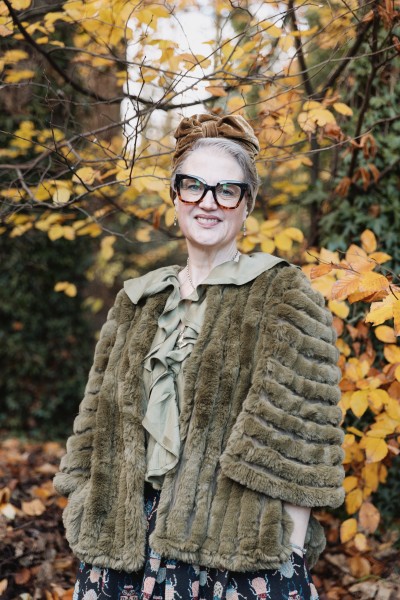
She added: "I'm very aware of the concerns about breast services in Durham, and I have enormous sympathy for the women and families who have suffered. Their experiences absolutely deserve to be heard and addressed.
"But I also think it's important that the excellent care being provided by dedicated staff is recognised. My experience has been one of outstanding care, genuine compassion and excellent communication.
"If sharing my story helps reassure just one person who is facing breast cancer treatment, then it's worth it."
Over the past year, the Trust has continued a programme of improvements to improve the care, treatment and choices available to patients.
The latest surgical data, covering March 2025 to October 2026, show significant improvements compared with 2019.
- Fewer patients need a second operation. The proportion of patients needing further surgery after breast-conserving surgery has reduced from 25% in 2019 to 11.5%.
- More patients are able to keep their breast. Around 68% of patients having primary surgery had breast-conserving treatment, compared with 53% in 2019.
- More specialist surgical techniques are being used. Over a quarter (27%) of breast-conserving operations involved oncoplastic techniques, which combine cancer surgery with approaches to help preserve breast shape.
- More patients can return home on the day of their operation. Over 84% of cancer patients having breast surgery were treated as day cases, avoiding an overnight hospital stay.
The Trust also continues to offer immediate breast reconstruction following mastectomy where this is clinically appropriate and reflects the patient's wishes.
These results reflect changes made to strengthen the breast surgery service, including the appointment of additional specialist surgeons and improvements to how care is planned and delivered.
Gill Hunt, Chief Nurse at CDDFT, said: “We've made important changes to our breast service, and it's encouraging to see improvements in outcomes and hear experiences like Louise's. The introduction of specialist psychological support is another important part of making sure we're caring for the whole person, not just treating their cancer.
"But we also know that some women have had very different experiences in the past. We remain committed to listening to those women, providing answers and support, and continuing to make improvements."
Recognising that the impact of breast cancer can extend well beyond surgery and treatment, the Trust has also introduced a dedicated psycho-oncology service to provide specialist psychological support.
Dr Nancy Vanderpuye, Consultant Clinical Psychologist and Head of Psycho-oncology, said: “We introduced dedicated psychological support for women affected by the Breast Review in September 2025, recognising the psychological as well as physical impact their experiences may have had.
“Every woman referred to the service is offered a comprehensive psychological assessment to understand their individual needs and identify the most appropriate support. This is tailored to each woman, rather than being based on a fixed number of appointments.
“Alongside this dedicated support for women affected by the historic review, we are also developing a wider psycho-oncology service to improve access to psychological care for everyone affected by cancer. Our priority is to make sure people feel heard, supported and able to access the right help when they need it.”
The Trust continues its review of care provided to women in previous years, supported by independent specialist clinicians.
In September 2026, the Trust Board agreed to progressively extend the review back towards 2015, considering each additional year in turn, informed by the findings and learning from reviews already completed.
Where concerns are identified about an individual patient's care, the Trust is committed to contacting them directly, explaining the findings and offering appropriate support.
In addition, the dedicated breast services support line and email remain open for anyone with concerns about their care or questions about the review. Patients and families can contact the team on: 0191 333 2126 or email: cddft.