Introduction

You will automatically receive an invite to attend for a diabetic eye screening appointment within 3 months of diagnosis or registration from your General Practitioner (GP).
Your appointment invite letter will provide you with details of the clinic location, time and date of your screening appointment and you will also receive a text message reminder to your mobile phone, three days before your appointment.
Please be aware that not all clinic venues have a reception area, sometimes we will ask you to sit in the waiting area and our eye screener will come out to check if you have arrived.
The eye screening appointment will take approximately 30 to 40 minutes.
It would be helpful to bring the following with you to your appointment:
We will call you into the clinic room and confirm we have your correct personal details, these will include your name, date of birth, address, telephone numbers and the GP surgery you are registered with.
We will check your vision, known as visual acuity (VA’s) in each eye. This will allow us to measure and record your vision, whilst wearing your distance glasses or contact lenses (if needed). Please remember, it’s important to bring your distance glasses and/or if wearing contact lenses make sure you bring some contact lens solution and a case (if required) as you will need to remove them for the drop installation and photography.
Please note: it is recommended to not to put your contact lenses back in until the blurriness wears off.
Please be aware that eye screening does not replace your routine eye test, we are specifically looking for diabetic retinopathy during your screening appointment.
It’s very important that you still have a routine eye test with your own optician, this appointment will establish if you require a prescription for glasses and/or contact lenses, it also looks for other eye complications such as cataracts, glaucoma and macular degeneration. The cost of a routine eye test is covered by the NHS for anybody who is registered as diabetic. It is recommended you have an eye test once every 2 years, unless otherwise specified by your optician.
We will ask you some information about your diabetes, medication, your eye health and some lifestyle questions, which allows us to build a comprehensive and relevant clinical history that will enable us to assess, diagnose and identify risk factors.
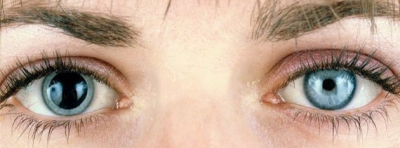
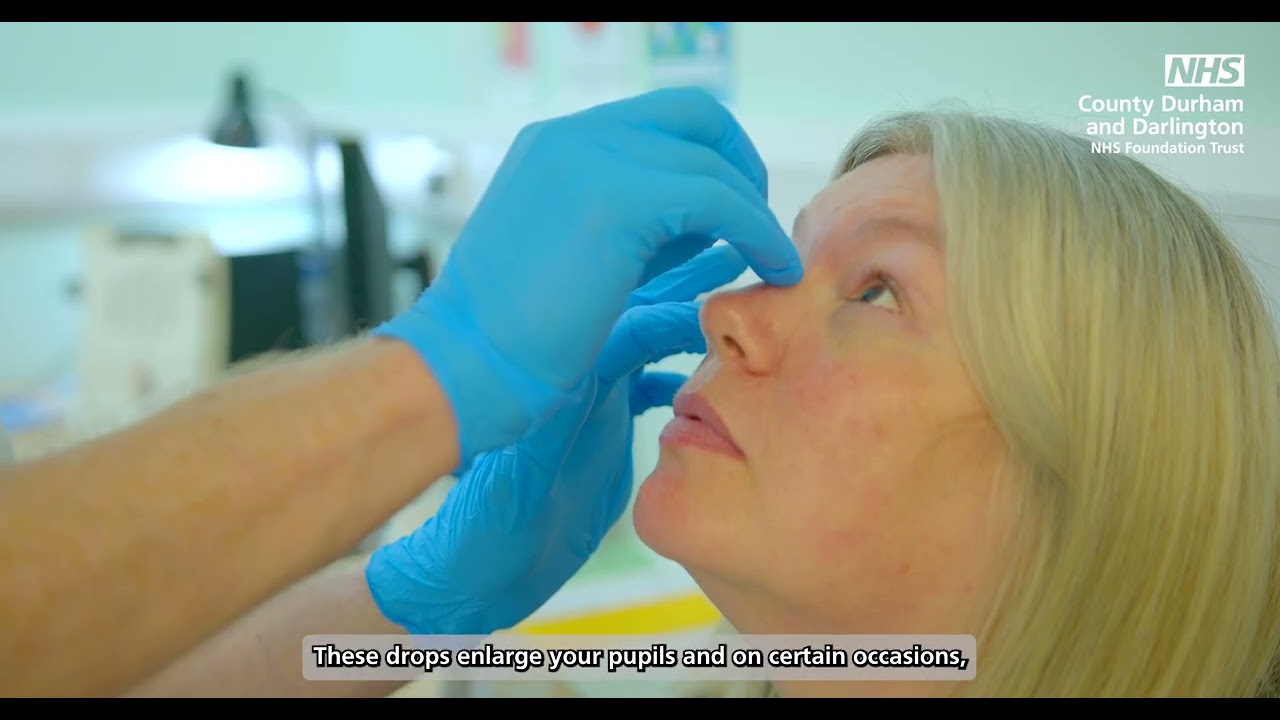
You will have some drops inserted into your eyes, these relax the eye muscles and temporarily make the pupils go nice and big, they do sting when they initially go in (a bit like having soap in your eyes) but this sensation does not last long (only seconds) and this allows us to have a clear view of the retina and take a detailed photograph of the back of your eyes. The drops take approximately 15-20 minutes to work, so during this time you will be asked to take a seat back in the waiting area.
The drops make your vision go blurry and your eyes will feel sensitive to light which can last up to four hours. It’s therefore very important that you do not drive following your appointment. We also recommend that you bring a pair of sunglasses or a cap to protect your eyes from sunlight after the appointment, this will make you feel more comfortable until you get back home.
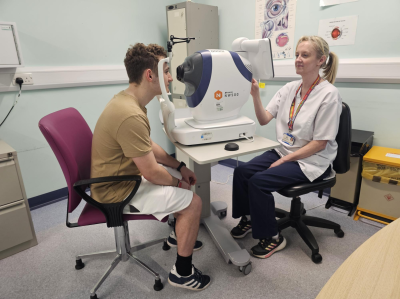
Once the drops have taken affect, we will take some digital photographs of the back of each eye. The camera does not touch your eyes or blow anything into them, you will be asked to place your chin on the chin rest and position your forehead against the bar at the top. Once you are in position you will be asked to look directly at a light in the camera and there will be a bright flash when each picture is taken.
Following your eye screening appointment, your images will be assessed and graded, this can involve a two or three stage image grading process to identify any changes and detect any signs of diabetic retinopathy. Please be aware that you will not be given your screening results straight after the appointment. You will receive your results within three weeks by post or email (if preferred). We will also send a copy of your results to your GP.
Your results from each screening appointment determine when you will be invited back for your next appointment, this information will be included in your results letter or email.
If you would like your appointments and results by email, please email the diabetic eye screening programme: cdda-tr.
We will use the email address that you are emailing us from.
If you feel nervous about attending your appointment, please be assured that our friendly staff will be able to put you at ease and you are always welcome to bring along a relative or friend for support.
It is very important that you are screened more regularly during pregnancy, this is because you are more at risk of developing serious eye problems.
You will be invited to attend an appointment within 6 weeks of a pregnancy notification (regardless of if you have been screened recently). Generally, you will be offered a further appointment at 28 weeks of pregnancy and then 3 months after, however please be aware that appointments are recommended depending on your eye screening results.
It is perfectly safe for both you and your baby to have eye screening whilst you are pregnant.
If you are not diabetic before pregnancy and are diagnosed with gestational diabetes during later pregnancy, you will not need to be screened for diabetic retinopathy. This can be treated through changes in diet and generally goes away once the baby is born.
Referrals received for children under the age of 12 years old, are held until their twelfth birthday when an initial appointment is then sent.
Children and young people with diabetes are more likely to develop sight threatening disease from diabetic retinopathy later in life. This is mainly because duration of diabetes is one of the main risk factors. We feel it is important that children and young people understand the significance of attending eye screening from a young age and know the risks involved with how diabetes can affect their vision. They are living with the disease much longer than people who develop the condition later in life, and therefore this puts them at a greater risk.
Eye screening is key to looking after your child’s vision, your child will receive an invite from the age of 12 and throughout their whole lifetime.
Remember, children can’t bring themselves to their appointments, therefore, parents and guardians please be responsible and encourage your child to attend their eye screening from their first invite. This will raise awareness of the importance and hopefully help eye screening become a routine and comfortable part of their diabetes care package.
Please note: Due to NHS guidelines children need to have the drops inserted.
Your child’s eyesight is important - don’t let them lose the windows to their world! Bring your child to their eye screening appointments.
It is completely your choice if you would like to have eye screening carried out and you can decide not to attend.
However, we strongly advise you to attend your recommended appointments, as eye screening is an essential part of your diabetes care package. Diabetic retinopathy is treatable, especially if it is caught in the early stages and eye screening is the best way to monitor your eyes and ultimately protect your vision.
If you do choose not to attend, please let us know so that someone else can have your appointment slot. We do understand circumstances change at short notice.
If you have any questions or require any further help or information, please do not hesitate to contact us.
The eye drops we use are called Tropicamide 1.0% and in some cases Phenylephrine 2.5%. Leaflets about the drops are available at each of our screening venues and will be provided to all new patients during their first eye screening appointment.
The eye drops are used to widen your pupils which will allow us to take clear images of the back of your eyes. They do make your vision go blurry and the affects from the eye drops generally last for approximately 4 hours, during this time we recommend that you do not drive or operate heavy machinery.
In extremely rare circumstances, there is the possibility you may experience an adverse reaction to the eye drops. If this were to happen the symptoms to look out for are:
If you experience any of the above symptoms, please go to your local hospital emergency department immediately:
If you do/have experienced any adverse reaction to the drops, please could you inform our team by contacting our central appointments booking line on: 01325 342113 to make us aware, we can then record this information on your personal records.
It’s important you let us know if any of the following conditions apply:
If for any reason you can’t make your scheduled appointment, we have a dedicated central booking line that can be used for making, cancelling or changing appointments - please call: 01325 342113.
Open Monday to Friday from 8.30am to 12.15pm (closes for lunch) and reopens at 12.50pm to 4pm.


