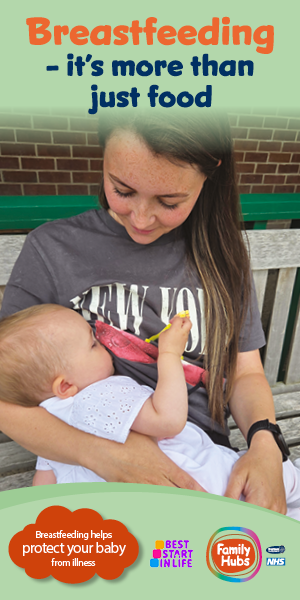
The World Health Organisation (WHO) says that all babies should be fed only breastmilk for the first 6 months. After that babies need other foods as well as their milk. Breast milk is all your new baby needs. Breast milk helps to protect your baby from some illnesses and disease, and helps to protect you too.
The health benefits of breastfeeding can last for a long time after stopping. Breasteeding protects baby from:
- Ear infections
- Asthma
- Sudden Infant Death (known as cot death), and more
Breastfeeding protects mum from:
- Breast cancer
- Diabetes, and more
Infant formula is made from animal milk and it can't protect your baby like breast milk can but it will give your baby all the food they need to grow if you decide not to breastfeed. Find out more.
Responsive breastfeeding
Breastfeeding works best when you feed your baby responsively. Responsive breastfeeding means feeding your baby they are hungry and feeding when you need to. Breastfeeding is not just food, your baby will feed for love and comfort too.
You can feed your baby:
- When your baby shows feeding cues
- If your breasts feel full
- If your baby is upset
- If you need to go out
You can’t overfeed a breastfed baby. Most breastfed babies will feed at least 8-12 times in 24hrs. If your baby is feeding a lot more often and is not settled after feeds then ask your midwife or health visitor for support.
Latching baby
Breastfeeding should be comfy. A good latch helps your baby to get all the milk they need and keep you comfy too. If breastfeeding hurts then ask for support from your midwife, health visitor or infant feeding team. You can also take a look at the Breastfeeding Self Help section for some tips.
You can feed your baby in any position. However you position your baby we suggest following CHINs (Lynette Harland):
Cuddle your baby in close facing the breast.
Try not to hold the back of your baby’s head, this will allow them to tip their head back and open their mouth wide.
Baby's ears, shoulders and hips should be in a nice, straight line. It is difficult for your baby to swallow if their head or neck is twisted.
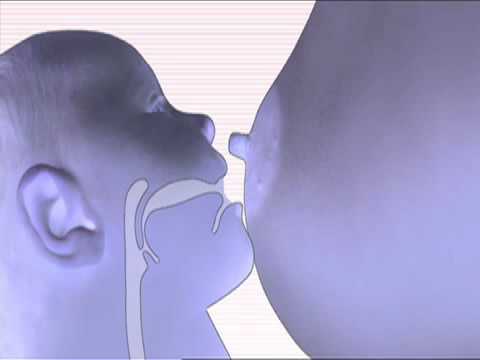
Bring baby to the breast with your nipple pointing to their nose not their mouth. This will help baby to open their mouth wide and reach for the breast. Baby needs to get a big mouthful of breast. Your nipple should brush under baby’s top lip and come to the soft part of baby’s palate so that it doesn't get pinched.
Make sure you are comfy, supported and relaxed.
How to tell that your baby is feeding well
You can tell that your baby is feeding well if:
- Feeding is comfy
- Baby takes regular sucks and swallows
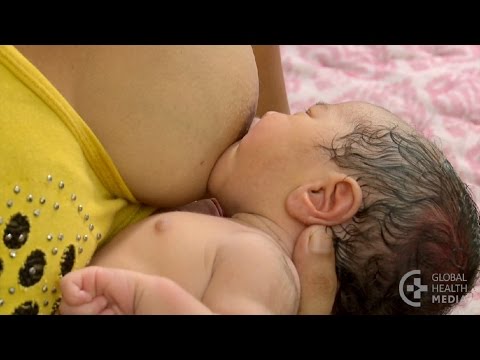
- Your baby has a large mouthful of breast
- Your babys chin is touching your breast
- Your babys mouth is wide open
- Your babys cheeks are rounded when they are suckling.
- Your baby is settled and contented after feeds
- Your baby is having regular wet and dirty nappies
Useful videos
Breastfeeding self help
In this section you will find useful online resources to help you with common breastfeeding problems.
- Common breastfeeding challenges - NHS
- Pain when breastfeeding - The Breastfeeding Network
- How to use the exaggerated latch. This is useful if your baby is not getting a deep latch
- Breast compressions. These can help a sleepy baby to drink better.
- Information on medicines and breastfeeding - The Breastfeeding Network Always check with your midwife, health visitor or the pharmacist if you are starting a new medicine and breastfeeding.